
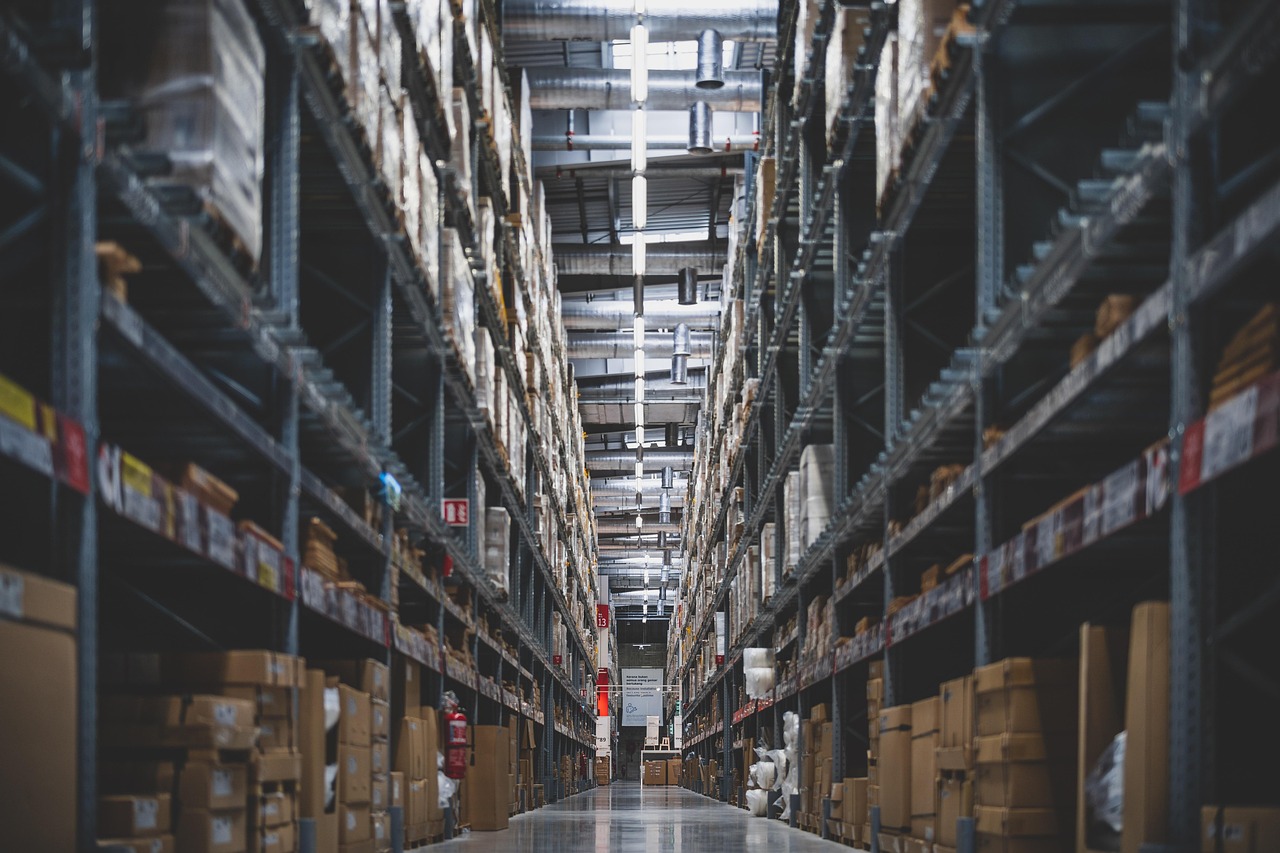
Vertical transport in modern warehouses presents a major challenge for facilities managers and logistics teams. As storage spaces expand upward rather than outward, the efficient movement of goods between floors becomes essential to maintaining workflow productivity. Traditional methods create bottlenecks. Forklifts and manual handling prove time-consuming and potentially hazardous in multi-level environments.
The evolution of warehouse design has demanded more advanced vertical transport solutions that can handle varying load capacities while meeting strict safety regulations. Modern lifting platforms have become a practical answer to these needs. They offer dedicated systems that can move materials between floors without disrupting other operations. With capacities ranging from several hundred kilograms to over ten tonnes, these purpose-built lifting platforms provide flexibility across different industrial uses.
Selecting the appropriate vertical transport system requires careful consideration of several factors. These include available space, typical load weights, frequency of use, and regulatory compliance requirements. The right solution improves operational efficiency. It improves workplace safety and can reduce manual handling injuries. This matters greatly to operations managers responsible for both productivity and staff wellbeing.
The vertical transport bottleneck in modern warehouses
UK warehouse space is being used more efficiently as vertical expansion becomes common. Many facilities now use taller storage to maximise available space. This brings new challenges for moving goods between levels. Traditional manual approaches or using forklifts on ramps can slow operations and increase safety risks.
These methods also make it harder to keep up with fast-paced warehouse demands. This is especially true as the number of levels increases. When materials move inefficiently between floors, production schedules slip and costs rise.
Inefficient movement leads to wasted labour hours as staff wait for items. Ongoing transport delays can interrupt time-sensitive manufacturing processes. They also increase overtime requirements. These disruptions affect customer satisfaction and operational capacity.
Modern lifting platforms address these obstacles with dedicated vertical transport systems. They are built specifically for industrial needs. These platforms carry materials rapidly and safely between levels. They reduce dependence on manual labour or forklifts. With reliable mechanical operation and safety compliance, these systems help maintain smooth workflow throughout daily operations.
Key vertical transport technologies for manufacturing facilities
When comparing vertical transport options, several factors need consideration. Forklifts offer flexibility but require trained operators and significant floor space for ramps. Conveyor systems provide continuous movement but have limited load capacity and flexibility.
Dedicated lifting platforms combine high capacity with specialized vertical transport. They require initial structural planning. Load capacity varies across options. Basic platform lifts handle 250-500kg. Industrial goods lifts can manage 1,000-10,000kg loads. This makes them suitable for heavy manufacturing applications.
Space requirements differ too. Self-supporting lifts need minimal structural modifications compared to traditional lift installations. Energy consumption and operational costs vary between systems. Hydraulic lifts typically use more power during operation but require less maintenance than traction systems.
Installation timeframes range from 2-3 days for modular systems to several weeks for complex systems. UK regulations such as EN1570-1 and the Machinery Directive 2006/42/EC set requirements for performance. They cover emergency stop features, guardrails, and load limits.
These standards also require interlocks that prevent platforms from moving when doors are open. Following these rules protects workers from accidents during peak warehouse activity. This compliance helps companies obtain insurance cover. It helps them pass regular audits and avoid fines from safety inspectors.
Hydraulic vs traction systems for industrial applications
Hydraulic and traction systems represent the two main technologies for industrial lifting platforms. Each has distinct features. Hydraulic systems use fluid pressure to raise and lower platforms. They deliver strong lifting capability for heavy loads up to 10,000kg. They operate with simpler mechanical components. This makes them reliable for intensive industrial use.
Traction systems use cables, counterweights and electric motors to move platforms. They typically offer faster travel speeds and greater energy efficiency. This makes them suitable for facilities with frequent usage requirements. They work well where energy consumption is a primary concern.
Maintenance requirements differ between these systems. Hydraulic lifts need regular fluid checks and occasional replacement of seals and hoses. Traction systems require periodic cable inspections. They also need motor maintenance and alignment checks.
The lifecycle costs tend to be lower for hydraulic systems in heavy-duty applications. Traction systems may prove more economical in lighter, high-frequency usage scenarios. A structured approach to procurement secures both operational fit and long-term savings.
Procurement checklist for vertical transport solutions
Before purchasing a vertical transport system, thorough site assessment is essential. This includes structural surveys to verify floor load capacities and available headroom. Space analysis helps determine the optimal lift footprint and access points. These assessments prevent costly modifications during installation.
Operational needs analysis should document frequency of use, typical load types and weights. It should cover user training requirements too. A warehouse moving 20-30 loads per hour needs a different option than one handling 5-10 movements daily. This analysis helps determine the appropriate capacity, speed, and control systems.
Compliance documentation is necessary for UK manufacturers. All vertical transport systems must include CE/UKCA marking, Declaration of Conformity certificates, and load testing documentation. These records are required for insurance purposes and regulatory inspections.
Total cost of ownership calculations should include purchase price, installation costs, annual maintenance, energy consumption, and expected lifespan. Initial prices for industrial vertical transport systems typically start around £16,000. The total 10-year ownership cost can range from £25,000-£50,000 depending on capacity and usage.
Risk mitigation strategies during implementation
Production continuity planning is important when installing vertical transport systems. Scheduling installation during planned downtime or lower production periods limits operational impact. Some suppliers offer weekend or overnight installation options. These reduce disruption to normal workflows.
Staff training requirements must be addressed before system commissioning. This includes operator training for daily use and basic troubleshooting procedures. Proper training reduces accidents and extends equipment lifespan through correct usage patterns.
Phased implementation options work well for larger facilities. Installing one lift at a time allows operations to continue. Staff can become familiar with new systems. This method enables refinement of procedures before full-scale deployment.
Contingency planning should address potential delays or technical issues. Having temporary material handling alternatives keeps operations going. This helps if installation timelines extend beyond initial projections. These alternatives might include manual handling procedures or rental equipment.
ROI analysis of vertical transport improvements
Tangible benefits of improved vertical transport include substantial labour savings and increased throughput. Bottlenecks are eliminated. Space use improves as dedicated vertical transport systems require less floor space than ramps or large conveyor systems.
Operational reports and supplier data indicate positive results after installing correctly specified vertical transport solutions. Facilities often see reductions in material movement time and gains in throughput. Customer reviews reference improvements in workflow. They mention reduced staff handling injuries and higher satisfaction scores following system integration.
Payback periods vary according to facility size and usage patterns. Small to medium operations may see returns within two years. Larger facilities with higher throughput can achieve payback more quickly. These calculations should include both direct savings and indirect benefits like reduced injury rates.
Non-financial gains include improved workplace safety as heavy lifting is replaced with automated transport. Companies note lower staff turnover and fewer manual handling injuries after integrating vertical transport systems. Controlling goods movement with a mechanical system improves inventory processes. It reduces handling errors.
Integration with existing warehouse management systems can further improve results. Modern vertical transport solutions can connect with inventory tracking software. They log movements between floors automatically. This connection increases accuracy and provides practical data for ongoing process improvements.