
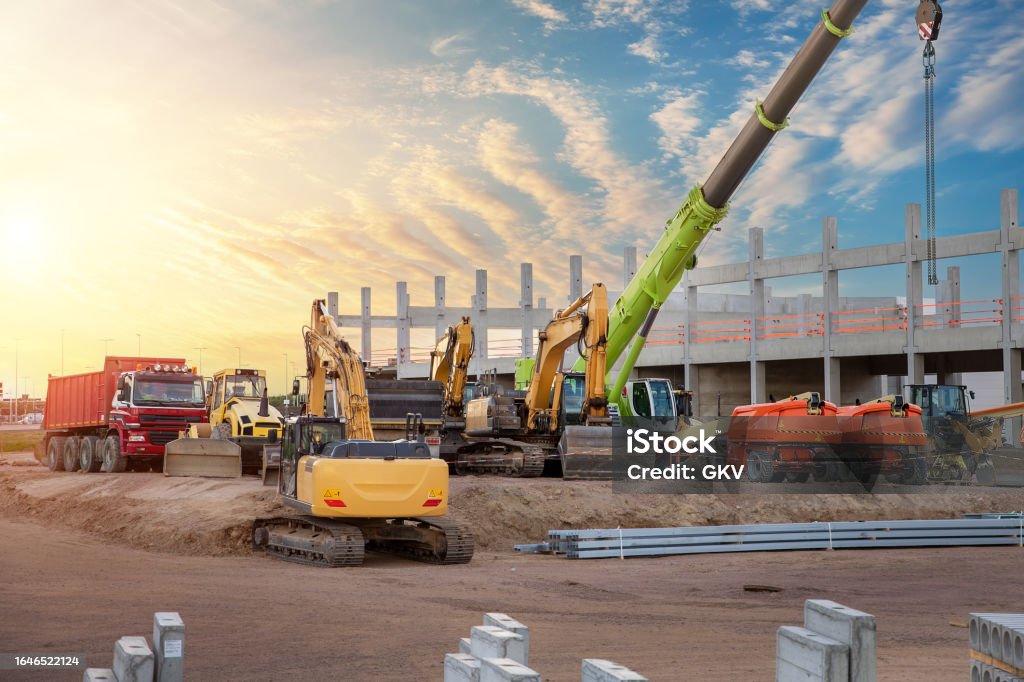
Construction sites operate against fixed programmes where delays can quickly escalate into cost pressures. When lifting equipment arrives late or mobilisation overruns, the impact spreads beyond a single task. Follow-on trades wait, access windows close and labour resources remain idle. Programme certainty depends on equipment arriving when scheduled and being ready to operate without additional delay.
Crane operations are particularly sensitive to timing and coordination. Many urban projects work within restricted access hours and limited laydown space. Site managers must sequence deliveries carefully to avoid congestion or conflict with other trades. A late arrival can prevent a lift from taking place within the permitted time window, pushing activities into the next shift and affecting the wider construction schedule.
Reliability in equipment supply has therefore become central to procurement decisions. Contractors assess not only fleet size and lifting capacity but also punctual delivery, operator competence and the supplier’s ability to respond to short-notice adjustments. The difference between a controlled lift and a disrupted programme often depends on preparation, communication and mobilisation efficiency.
Regulatory Requirements Shape Crane Hire Decisions
All lifting operations in the UK must comply with the Lifting Operations and Lifting Equipment Regulations 1998, which require equipment to undergo thorough examination before first use and at specified intervals thereafter. Equipment assembled at a new location may also require re-examination, and certificates must be available for inspection on site at any time.
The Provision and Use of Work Equipment Regulations 1998 (PUWER) complement LOLER by requiring equipment to be suitable for its intended purpose and maintained in safe condition. Maintenance schedules, inspection records and documented servicing routines provide evidence of compliance. Procurement teams should verify that all certification is current before confirming mobilisation.
Industry standards published by the Construction Plant-hire Association outline expectations for lift planning, risk assessments and method statements under contract lifting arrangements. Clear allocation of responsibilities between contractor and supplier reduces uncertainty. Site managers should confirm who is responsible for preparing lift plans, assessing ground conditions and coordinating with other trades before the crane arrives.
Operator competence is another essential consideration. CPCS accreditation or recognised equivalent certification demonstrates technical capability and awareness of site safety protocols. Retaining copies of licences and training records supports audit readiness and compliance checks. Thorough documentation protects both contractor and supplier in the event of inspection.
Fleet Capability Determines Project Suitability
Selecting the correct crane begins with understanding lift requirements, including load weight, radius, site access and ground bearing capacity. Contractors arranging Crane hire should assess fleet capability, mobilisation capacity and documented compliance to ensure the selected unit matches operational constraints.
In regions with sustained construction activity, demand for Crane Hire Cambridgeshire services reflects the need for dependable mobilisation within tight programme windows. Proximity to site reduces travel time and supports phased or repeat lifts.
Mobile cranes provide flexibility across varied project types. Compact city units suit confined urban environments, while larger mobile and all-terrain cranes accommodate heavier loads and extended reach requirements. Matching equipment precisely to lift specifications reduces substitution risk, avoids last-minute changes and supports programme continuity.
Scheduling Factors Affect Project Timelines
Mobilisation planning extends beyond equipment selection. Depot location influences transport duration, fuel costs and overall responsiveness. A supplier operating within the project region can often accommodate programme adjustments more efficiently than one travelling long distances.
Advance booking is particularly important during peak construction periods. Demand for larger all-terrain cranes often increases during spring and summer when infrastructure and commercial projects accelerate. Securing confirmed dates early reduces the risk of unavailability and protects critical path activities.
Effective lift planning integrates technical assessment with programme coordination. Ground conditions must be evaluated to confirm bearing capacity, and understanding the bearing capacity of soil is essential before finalising lift positioning and outrigger configuration.
Coordination with other trades is equally important. Sequencing lifts alongside steel erection, cladding installation or plant placement requires clear communication between site management and the crane provider. Early engagement allows lift plans to be reviewed in advance, reducing the likelihood of on-site amendments.
Market Trends Influence Procurement Approaches
Construction demand across infrastructure, healthcare and energy sectors has increased the need for specialist lifting services. As project complexity grows, procurement teams place greater emphasis on compliance documentation and demonstrable operational standards.
Longer-term rental agreements have become more common on phased projects. Securing equipment for defined periods can provide cost stability and ensure allocation during busy months. Clear contractual terms regarding mobilisation, extension and cancellation help reduce uncertainty.
Modern cranes frequently incorporate telematics systems that monitor usage hours and operational status. These systems assist with preventative maintenance planning and reduce the likelihood of unexpected breakdowns during scheduled lifts. Access to maintenance records aligned with usage data offers greater transparency for contractors managing risk.
Digital booking systems have also streamlined the quotation and confirmation process. Transparency and structured compliance documentation are increasingly important in tender evaluation, particularly on regulated or publicly funded projects aligned with the Procurement Act 2023.
Pre-Hire Verification and Risk Management
Before confirming mobilisation, site managers should review certification under LOLER and PUWER, verify operator competence and confirm insurance coverage for both equipment and third-party liability. Lift plans must reflect site-specific hazards, access constraints and coordination with other trades.
Ground condition assessments, exclusion zones and weather considerations form part of responsible lift preparation. Confirming these factors in advance reduces the likelihood of programme disruption. Clear documentation protects project timelines and supports regulatory compliance.
In a construction environment where programme certainty directly affects cost control, crane operations require more than equipment availability. Verified compliance, appropriate fleet selection and dependable mobilisation all influence whether lifting activities proceed without disruption. Contractors who integrate regulatory checks, scheduling discipline and regional capacity into procurement decisions reduce exposure to delay and contractual risk. Structured preparation supports safer lifts and more predictable project delivery.