
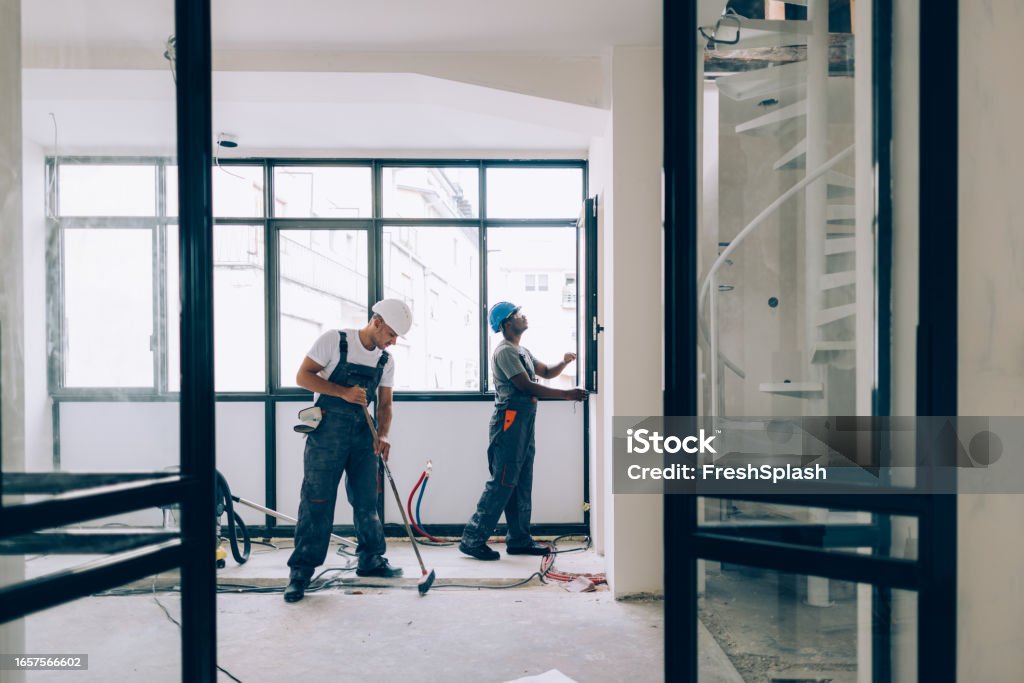
Preparing Newly Built Homes for Occupancy
There’s nothing quite like receiving the keys to your fresh new house. After months of waiting, it is finally yours.
But here’s the thing: it’s usually not ready to live in yet. Even if it appears clean, there is typically fine construction dust, random dirt, and surfaces that require time to settle.
Taking care of these nuances is well worth the effort. It isn’t only about looks. It is about providing a secure, healthy workplace and safeguarding what you have put in.
We go over the necessary steps in this guide to make a newly constructed home clean, safe, and cosy.
The First Walkthrough: A Critical Assessment
Do a quick walkthrough with your builder before moving or cleaning anything. Spot any issues such as scratched paint or uneven countertops, and check the cleaning needs too. Look for dust on flat surfaces, residue on windows, and the film on kitchen units and floors.
This gives you a clear idea of whether to handle it yourself or call in experts.
For most new homes, the fine dust gets everywhere, so professional cleaners often make more sense. Many homeowners turn to Prolux Cleaning in London to get the job done properly and save themselves the hassle.
Phase 1: The Heavy Clean (Pre-Move-In)
The heavy cleaning is the most labour-intensive phase. This occurs before any furniture or personal belongings enter the property. The goal here is to eliminate the remnants of the construction process.
Debris Removal and Dust Control
Work from top to bottom. Start with the ceiling corners, light fixtures, and crown moulding—use a ladder or extension pole with a vacuum. That takes care of cobwebs and that fine drywall dust everywhere. Then do the walls. A dry microfiber cloth is enough to wipe off the settled dust. You probably don’t need to actually wash them.
Make sure you check the air vents too. They’re usually packed with dust. Pop the covers off and vacuum inside. If the ducts themselves are really dirty, get a professional to clean them before you start using the heating or cooling. No point in letting all that dust blow back into your freshly cleaned rooms.
Flooring Focus
New home floors tend to collect a lot of debris. On hardwood or tile, you’ll often see paint splatters, adhesive residue, and a layer of fine grit.
Use a plastic scraper – never metal, since it can scratch the surface – to gently lift off any paint or glue spots. Then vacuum thoroughly before you mop.
Carpets need even more attention. They trap off-gassing from the installation adhesives plus fine construction dust that regular vacuums usually miss. In most cases, it’s worth getting a professional hot water extraction cleaning. This removes the irritants and helps the carpet fibres recover their original look and feel.
Phase 2: Cabinetry, Fixtures, and Sanitization
With the heavy dust handled, move on to cabinets and food prep spaces. Kitchen and bathroom cabinets are usually dirtier inside than you’d expect from sitting open during construction.
Kitchen and Bathrooms
Take out all cabinet drawers and shelves in the kitchen and give them a good wipe with a non-toxic cleaner to remove sawdust and residues. Don’t forget the pantry shelves — clean them before putting food in.
For the bathrooms, proper sanitizing is key. Even though the fixtures are new, they’ve likely been used by the workers. Scrub and disinfect the toilets, sinks, and showers. Pay attention to the grout in tiled showers, too, as haze from installation often remains and needs a specialized cleaner.
Windows and Glass
Cleaning the windows has a significant impact. Labels, stickers, and dust are frequently left on the glass by new construction. To bring in natural light, clean both inside and out. Sills and tracks should also be cleaned since they collect tiny particles and fine dust.
Phase 3: Mechanical Systems and Air Quality
These days, new houses are built super airtight for better energy efficiency. It’s great for saving money on heating and cooling, but it also means your indoor air quality is basically in the hands of your HVAC system and ventilation setup.
HVAC Filters
Don’t forget to change the first filter right away. The one the builder puts in is usually just a basic model meant to protect the equipment during construction, so it’s probably already pretty dirty. Replace it with a decent allergen-catching filter.
If you haven’t had the ducts cleaned yet, consider doing it now. Once everything’s fresh, let the fan run for a full day. It makes a surprising difference in clearing out any last bits of construction dust.
Plumbing Flush
New pipes frequently contain residual detritus, such as silt and plastic fragments. Spend some time running every tap, shower head, and washing machine connector. Allow the water to flow until it runs clean. This easy action prevents particulates from clogging your filters and aerators later on.
The Final Polish: Creating a Welcoming Atmosphere
With the major cleaning work complete, it’s time to shift your attention to the smaller finishing touches that help your new house feel warm and inviting.
Touch-Ups and Repairs
Furniture and moving boxes can easily leave marks on brand-new walls. After cleaning but before the truck arrives, take time to inspect walls and baseboards carefully. Keep the paint cans the builder provided handy — they make quick touch-ups simple. Empty rooms give you the perfect opportunity to patch and repair any minor dings.
Outdoor Spaces
Take a moment for the outside areas as well. New builds tend to collect quite a bit of dust and construction grime on driveways, patios, and paths. Pressure washing makes a huge difference. And if you’ve got a new deck, sweep it clear of any nails or splinters right away. You’ll appreciate not dragging that mess inside later.
Deep Carpet and Upholstery Consideration
For those who chose premium carpeting or new upholstery, a professional textile cleaning is worth doing at this stage. Fresh carpets usually contain manufacturing residues that you don’t want underfoot. A deep clean ensures everything feels fresh and truly ready for daily living.
Why Professional Expertise Matters
Looking at the checklist, it becomes clear that getting a new home ready isn’t regular housekeeping. It takes specific skills.
You have to understand safe cleaners for new countertops, the right way to treat grout, and how to properly use HEPA-filtered vacuums for all that fine dust left from construction.
Hiring professional cleaning services in the capital saves you a lot of hassle. They have the right equipment and the experience to get the job done. They can take care of everything from getting adhesive off windows to thoroughly cleaning the kitchens and bathrooms. Handing the heavy cleaning over to them helps you avoid expensive errors and gives you more time to focus on the rest of your move.
Final Checklist Before Moving In
Do this final check right before moving day:
- Air Quality — New HVAC filters in place and ducts cleaned?
- Surfaces — All countertops, inside and outside of cabinets, and shelves dust-free?
- Flooring — Hard floors mopped? Carpets professionally cleaned and dry?
- Plumbing — All taps flushed and running clear?
- Safety — Smoke and CO detectors tested? Fire extinguisher ready?
- Sanitation — Bathrooms disinfected?
Conclusion
A new home should feel ready when you arrive. Construction dust and debris can ruin that if you don’t address them properly. Follow a simple process. Remove heavy debris first, then deep clean, and finally take care of air quality. This approach leaves you with a home that’s clean and safe.
You can tackle it yourself, but it takes time and energy. Hiring professionals is a common choice for those who want to avoid the hassle. The goal is straightforward. You want to enjoy your new home from day one, not spend it cleaning.