
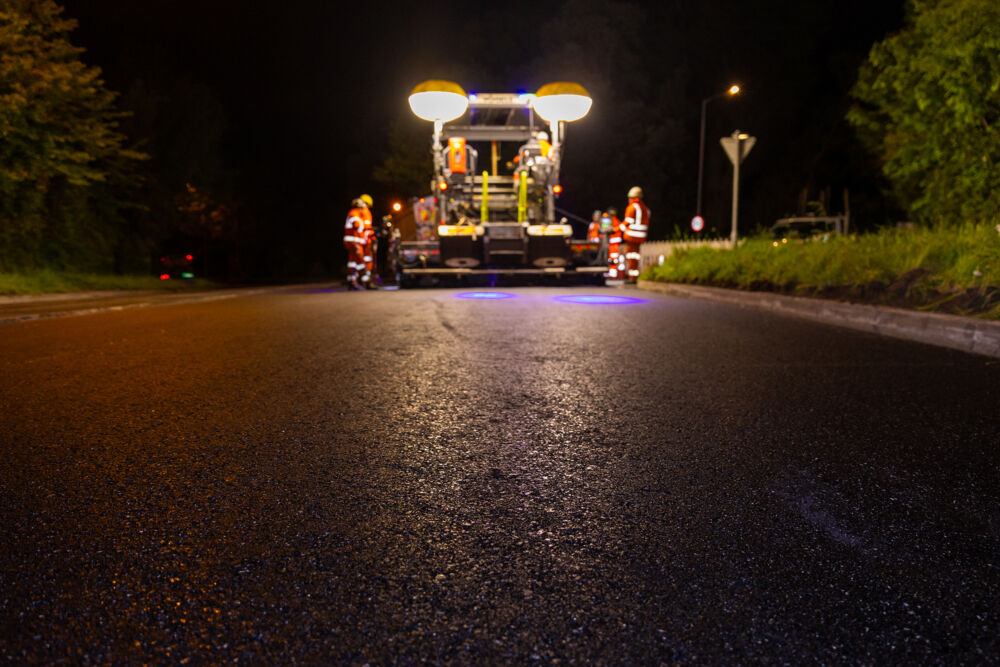
Delivering lower-risk, standards-compliant solutions on the strategic road network (SRN) has traditionally required extensive trials and approvals. However, a recent scheme across the A26 Beddingham and A259 Winchelsea demonstrates that lower-carbon solutions can be delivered within existing standards without increasing delivery or commercial risk.
In a UK-first for the SRN, Roadways successfully delivered cold bitumen emulsion-based asphalt as a direct replacement for conventional AC20 binder, marking a milestone in the adoption of sustainable materials at scale.
Working for National Highways under the South East Alliance and PDF2 framework, Roadways delivered approximately 1,300 tonnes of cold bitumen emulsion-based asphalt across the two schemes. Crucially, no departures from the Specification for Highway Works were required. Clause 948 provided the framework for a fully compliant alternative to traditional warm-mix AC20 binder, positioning the material as a like-for-like replacement rather than an experimental solution.
Hot and warm-mix asphalt binders have long been the default for resurfacing schemes, despite tight temperature tolerances, logistical dependencies and heat-related risks during production and installation. They also rely heavily on virgin aggregates and energy-intensive manufacturing. Roadways therefore explored whether a lower-carbon, lower-risk alternative could be delivered without altering pavement design, layer thickness or programme expectations.
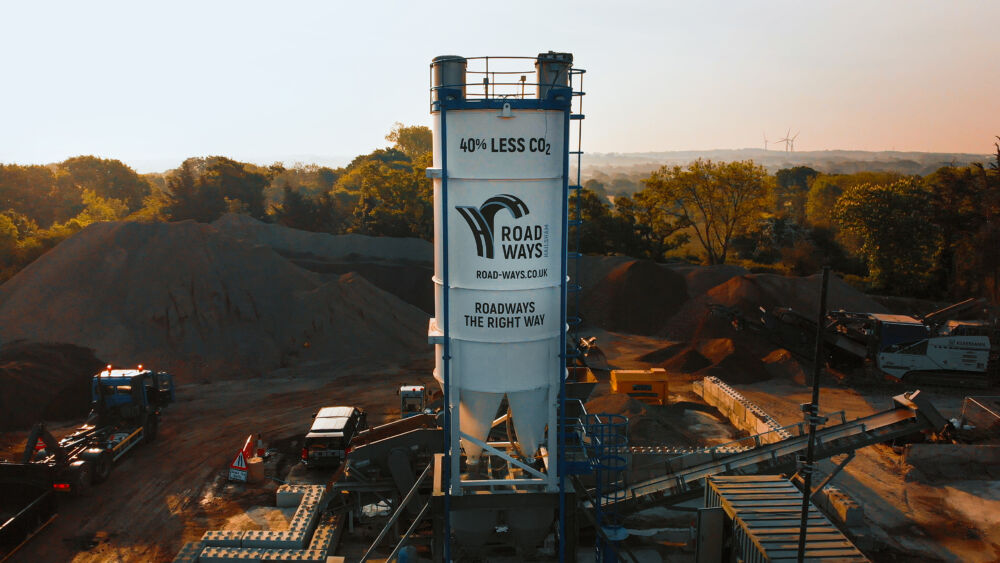
Following early technical engagement with National Highways and scheme designers, Roadways confirmed the material could be deployed within existing specifications. Acting as principal contractor, material producer and installer, Roadways retained control from mix design and production through to laying. The material was manufactured using cold bitumen emulsion at Roadways’ recycling facility in East Sussex before installation under controlled road closures and surfacing with a conventional hot asphalt wearing course.
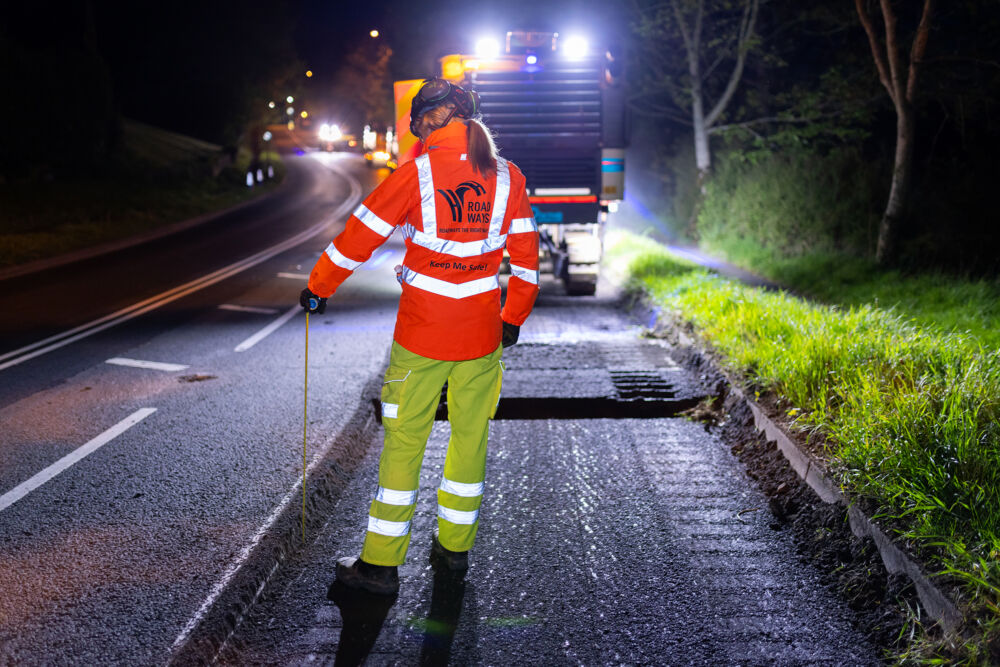
By removing the need for high-temperature production and installation, the approach eliminated temperature sensitivity, improving flexibility in transport and laying while reducing delays and heat-related safety risks. Back-haul logistics further improved efficiency by minimising empty vehicle movements.
The cold binder utilised 100% recycled aggregate, eliminating the need for virgin materials. Across the 1,300 tonnes delivered, the scheme achieved an estimated saving of 23–25 tonnes of CO₂ compared with conventional warm-mix AC20, plus a further 2.4 tonnes through back-haulage efficiencies.
The A26 and A259 schemes demonstrate that established specifications and proven processes can support scalable, lower-carbon highways solutions without bespoke approvals or compromised performance.