
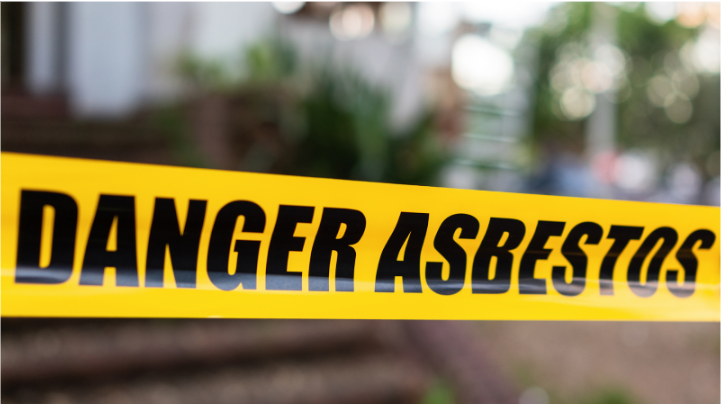
Even though asbestos was fully banned in the UK in 1999, it’s still one of the most persistent health risks in the construction industry.
When you think about it, it’s a no-brainer – thousands of commercial, industrial and residential buildings that were constructed before the ban will still contain asbestos-containing materials. But the dark side of that simple truth is that tradespeople can unknowingly encounter it during routine work.
Its fire resistance, durability and insulating properties made asbestos a common component in all sorts of construction-related materials. And since plenty of the UK’s current buildings were constructed or renovated during the decades when asbestos was widely used, it’s actually pretty common to come into contact with ACMs.
While most ACMs are safe to be around if left undisturbed, activities like drilling, cutting, refurbishment or demolition are likely to release hazardous fibres into the air. Once airborne, asbestos fibres can be inhaled and will remain in your lungs for decades (which is why courses like UKATA asbestos awareness are so important).
The Ongoing Health Impact
Because asbestos fibres lodge in the lungs and slowly take effect, asbestos-related disease is still one of the most common and tragic occupational diseases in the UK. According to the latest data from the HSE, thousands of people still die each year from illnesses linked to past exposure, including mesothelioma and asbestos-related lung cancer. In 2023 alone, there were 2,218 mesothelioma deaths in Great Britain.
These diseases typically develop decades after exposure, which is why awareness and prevention are still critical today. Workers who disturb asbestos aren’t likely to realise the consequences until many years later.
Refurbishment and Maintenance Are High-Risk Activities
Many people associate asbestos risks primarily with demolition, but refurbishment and maintenance work often actually present the greatest danger.
Electricians, plumbers, joiners, decorators and general contractors frequently work in older buildings where asbestos might be hiding behind walls, above ceilings or within service ducts. Even small tasks like installing new cabling or replacing fixtures can disturb hidden materials.
Because asbestos can’t always be visually identified, awareness training plays a crucial role in helping workers recognise potential risks and respond appropriately.
The Importance of Proper Awareness Training
Construction regulations require employers to ensure that workers who might come across asbestos in their work are properly informed of the risks. Awareness training helps workers understand where asbestos might be found, how exposure can occur, and what steps to take if suspicious materials are discovered.
Courses like the UKATA asbestos awareness training are designed to make sure that everyone on your team is equipped with this essential knowledge, so that they can recognise potential hazards and avoid accidental disturbance.
But to be clear, awareness training doesn’t qualify workers to remove asbestos. Instead, it focuses on prevention – ensuring workers know when to stop work and report concerns to specialists.
A Shared Responsibility on Site
We know it might feel like a problem for another decade, but the reality is that managing asbestos risks requires coordination across the entire construction chain. Clients, designers, contractors and site managers all have responsibilities under UK safety regulations to ensure that asbestos risks are properly assessed and communicated.
This includes reviewing asbestos surveys, sharing relevant information with contractors, and ensuring workers understand how to work safely around potential hazards.
When awareness is prioritised at every level, the likelihood of accidental exposure is significantly reduced.
A Risk That Hasn’t Gone Away
While asbestos may no longer be used in construction materials, it remains embedded within the UK’s built environment. As older buildings continue to be refurbished, maintained and repurposed, the potential for exposure remains a very real concern.
For today’s construction workforce, awareness is one of the most effective tools for preventing harm. Ensuring workers understand the risks (and how to respond when they encounter them) is still an essential part of keeping modern construction sites safe.