
Wilkhahn at Milan Design Week 2026
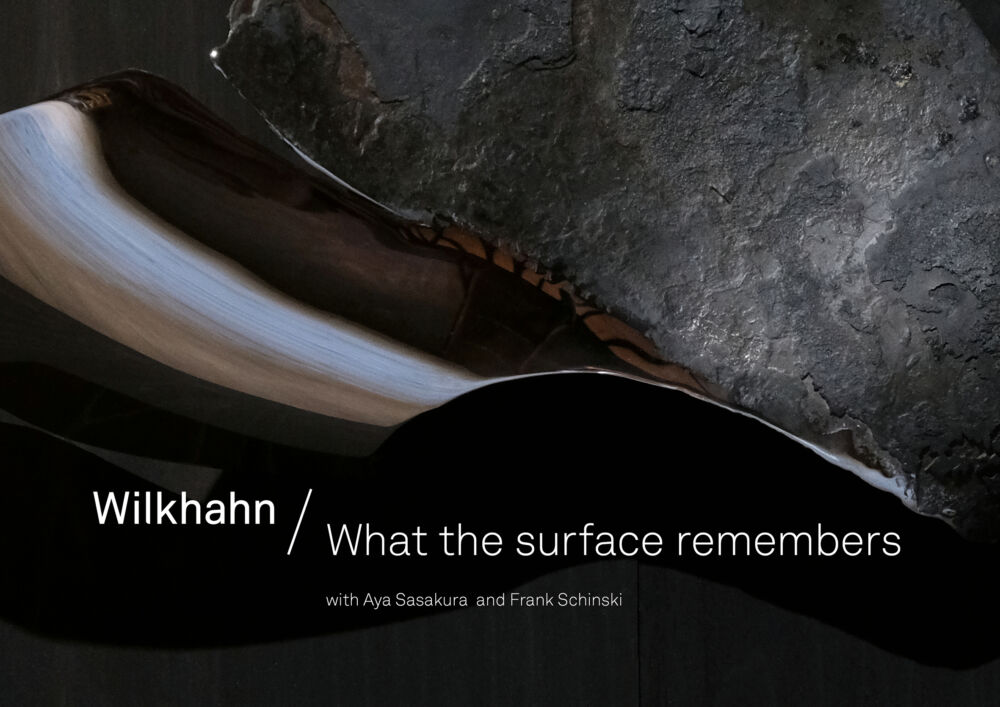
Milan / Bad Münder, April 2026. For Milan Design Week 2026, Wilkhahn presents the exhibition “What the surface remembers” in the Brera district. At Via Madonnina 17, the German furniture manufacturer explores how materials reveal traces of time, use and environmental influence – and what role design plays within this process.
Taking the WiChair and the material steel as its point of departure, the exhibition brings together sculptural works and photographic positions by international artists. Between the clarity of industrial precision and the poetry of natural patina, a multi-layered dialogue on permanence and change unfolds — one in which good design asserts itself and endures.
WiChair as a material reference point
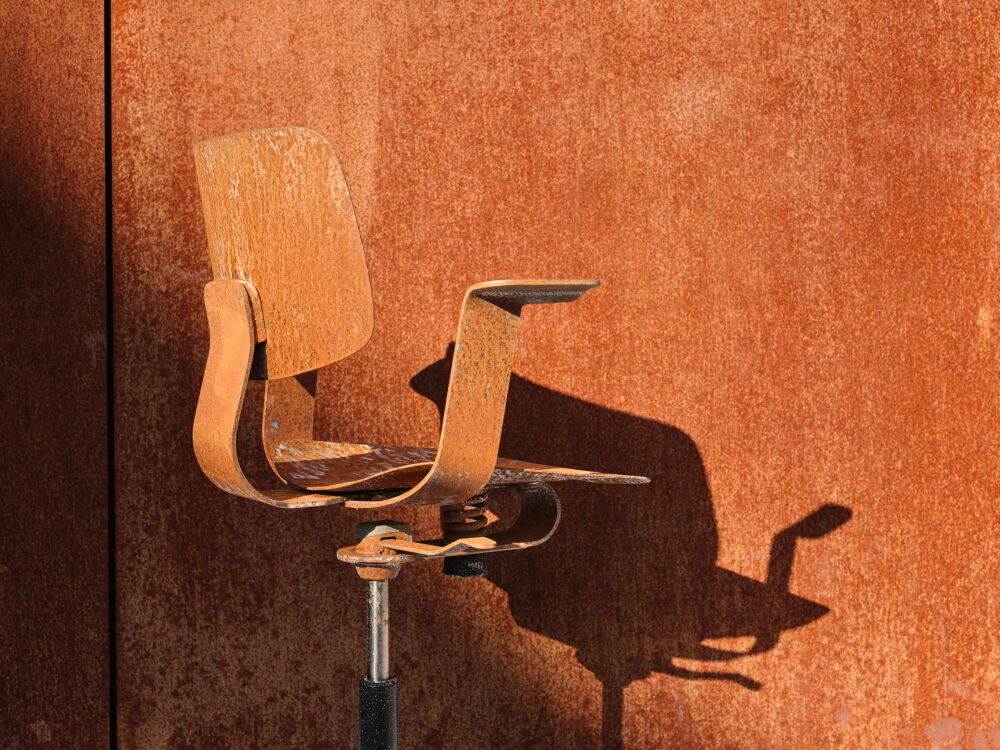
With its distinctive silhouette, reduced use of materials and a flexible steel spring, the WiChair demonstrates how a task chair can be distilled to its essential elements. Its moulded plywood shell references the archetype of the office chair, reinterpreted with contemporary lightness and innovative functionality. Instead of complex mechanics, a single elegantly curved steel spring enables three-dimensional movement. For the exhibition, the WiChair is presented with a steel seat and backrest in two contrasting expressions:
- Preserved surface: A transparent coating retains the traces of industrial production and fixes the material in its original state.
- Transformed surface: A fully oxidised version reveals processes of ageing, turning steel into an organically evolving surface.
This juxtaposition highlights two fundamental approaches to design: control versus openness, permanence versus transformation. At this intersection, the exhibition extends into a curatorial dialogue. Two artistic positions translate these questions into different scales and modes of perception – from object to surface, from material to memory.
Aya Sasakura: Steel as fluid memory
Japanese artist Aya Sasakura (born 1974 in Shikoku) works at the intersection of industrial design and craftsmanship. Her sculptures “ebb” and “full” transform stainless steel into soft, fluid forms reminiscent of water. Her work explores the sensory qualities of material and light, positioned between technical precision and organic perception. In dialogue with the WiChair, her pieces create a dynamic interplay of reflection, movement and surface.
https://ayasasakura.com/en/
Frank Schinski: Traces of use
Photographer Frank Schinski (born 1975 in Prenzlau), a member of the Berlin-based collective OSTKREUZ, focuses on the narrative dimension of material. His work emerges from a documentary practice shaped by his background as a bricklayer.
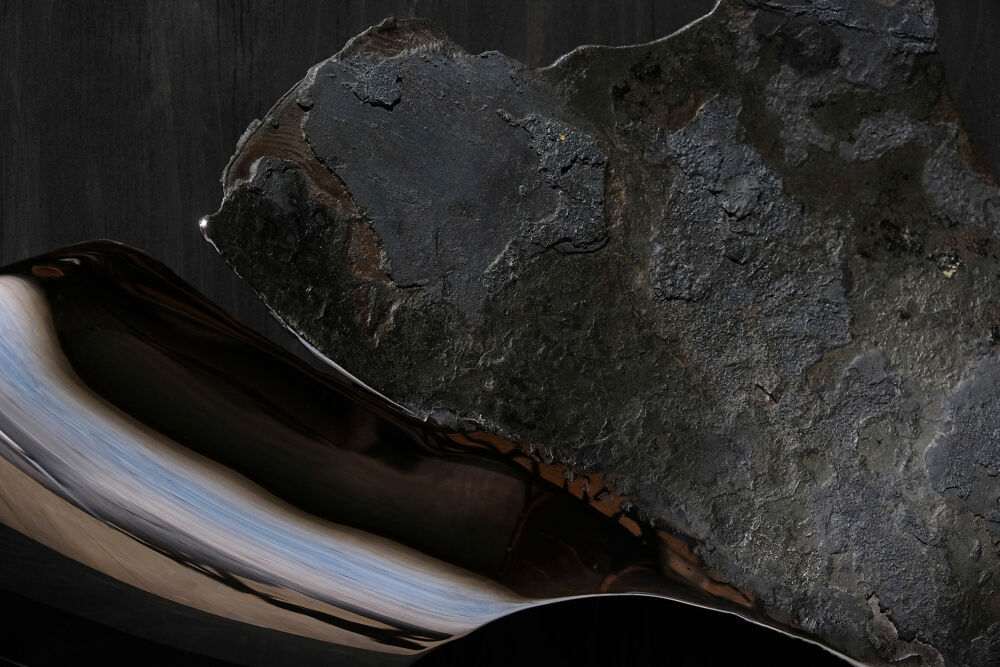
For the exhibition, he photographed an abandoned house in Tuscany – a place where use, memory and decay intersect. His images reveal how time becomes inscribed in surfaces, turning objects into carriers of human experience. In dialogue with the WiChair, a connection emerges between physical movement and emotional resonance.https://www.frankschinski.de/
Design as a process
With “What the surface remembers”, Wilkhahn positions design as an open process between construction, use and transformation. The exhibition demonstrates that quality does not reside solely in the initial design, but in a product’s ability to develop meaning over time.
Press material
The full press kit for the exhibition “What the surface remembers” will be updated with high-resolution images on Monday, April 20 at 6 pm:
http://www.wilkhahn.com/mdw26-presskit
Further information
www.wilkhahn.com/en/milan-design-week/
Exhibition address
Via Madonnina 17
20121 Milan (Brera)
GOOGLE MAPS
Opening hours
20. April 12:00–20:00 Uhr
21.–23. April 10:00–18:00 Uhr
24.–25. April 10:00–20:00 Uhr
26. April 10:00–18:00 Uhr