
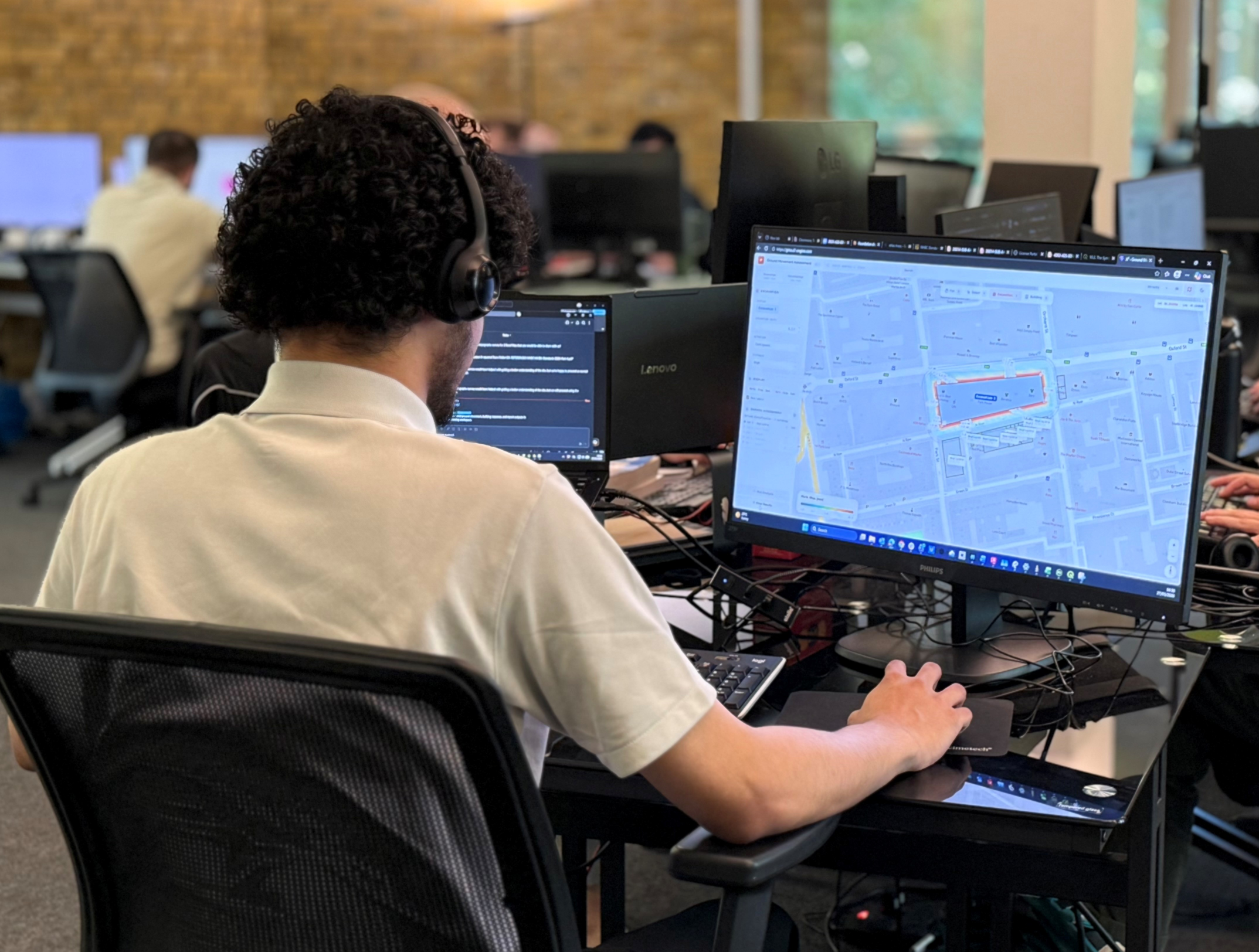
A2 Engine has launched Gemma, a new digital platform developed to help engineers rapidly assess potential ground movements during the earliest stages of construction project planning.
Designed for projects involving basements, retaining walls and deep excavations, the platform enables users to generate an outline assessment of potential ground movements in seconds, providing an early indication of the possible impact on neighbouring structures before more detailed analysis is undertaken.
The launch responds to the increasing demand for faster feasibility studies as project teams seek to evaluate multiple design options, programme constraints and development risks at the outset of a scheme.
Domenico Lombardi, Director at A2 Engine, said: “Early-stage project development often involves numerous design iterations as proposals evolve. Engineers can spend considerable time repeating preliminary assessments before a preferred solution is established. Gemma has been developed to streamline that process, allowing engineers to obtain an initial understanding of potential ground movements almost instantly while retaining detailed analysis for the later stages of design.”
The platform combines established engineering methodologies with a digital interface that enables users to define excavation geometry, adjust key design parameters and compare alternative scenarios quickly. Rather than replacing detailed numerical modelling or engineering judgement, the software has been developed to support early decision-making by identifying potential constraints and highlighting where more detailed investigation may be required.
According to A2 Engine, Gemma also considers ground movements associated with both excavation and new building construction and is capable of assessing complex excavation geometries, including re-entrant corners, which can present challenges using traditional preliminary assessment methods.
The launch reflects the growing role of digital technologies within geotechnical engineering, where software is increasingly being used to automate repetitive analytical tasks while allowing engineers to focus on interpretation, optimisation and risk management.
Gemma is currently available as a free Beta release, with A2 Engine inviting feedback from consultants, contractors and developers to help shape future development of the platform. Additional functionality is already planned as the software continues to evolve.
Commenting on the launch, Lombardi added: “Digital tools should enhance engineering, not replace it. By reducing the time spent on routine preliminary assessments, engineers can focus their expertise where it delivers the greatest value – interpreting results, managing risk and developing the most effective solutions for each project.”
As infrastructure and urban development projects continue to demand faster project delivery and more informed decision-making, digital tools capable of supporting engineering assessments from the earliest stages of design are expected to play an increasingly important role across the construction sector.

ABOUT: A2 Engine is a UK-based technology company that develops AI-enabled digital platforms for the built environment. Founded by engineers, the company combines engineering expertise with artificial intelligence and software development to automate routine analytical and operational tasks, enabling organisations to make faster, better-informed decisions.
Its solutions are designed for sectors including engineering and construction, infrastructure and energy, with a focus on supporting, not replacing, professional judgement. The company’s platforms are built around the principle of augmenting expert decision-making while improving efficiency, consistency and traceability.
Gemma is A2 Engine’s first platform dedicated to rapid early-stage ground movement assessment for urban developments involving basements, retaining walls and deep excavations. It enables engineers to obtain an outline assessment of potential ground movements in seconds, helping project teams evaluate design options and identify potential risks during feasibility and concept design.
Further information is available at: www.a2-engine.com